Rice, Roti, and the Reality of Diabetes Reversal in India: Why Diets Fail
The Truth About Sustainability in the "Diabetes Capital of the World"
"Stop rice. Stop roti. Control your sugar."
You’ve heard it. You’ve tried it. And it probably didn’t last — because it was never meant to. If cutting carbs were the answer, India wouldn’t have 90 million diabetics and counting.
The real problem? Most Indians don’t fail diabetes diets. Diabetes diets fail Indians.
The Knowledge Trap
Most patients already know what they "should" do: eat less sugar, reduce carbs, and lose weight. Yet blood sugars remain uncontrolled. The issue isn't a lack of knowledge; it’s about sustainability in real Indian life.
4 Reasons Diabetes Diets Fail in India
- Food Is Identity: In India, rice is comfort and roti is routine. Completely eliminating these creates isolation and guilt, leading to relapse.
- The "Zero Carbs" Fantasy: An all-or-nothing approach works for two weeks until life happens. Extreme restriction leads to short-term wins but long-term failure.
- Urban Reality: Long work hours, irregular meals, and high stress are medical realities that require real-world solutions, not moral judgments.
- One Kitchen, One Family: Preparing a separate "diabetes meal" is socially and practically impossible in most Indian homes.
What Diabetes Reversal Actually Means
Clinical studies show up to 75% of patients can achieve remission with the right integrated approach. Reversal means:
- Blood sugar returns to a normal range.
- Minimal or no medication is required.
- Results are achieved through sustained lifestyle changes.
Important: Reversal takes time. Diabetes develops over years; reversing it requires consistent effort over months, not miracles in 30 days.
What Actually Works: The Practical Indian Approach
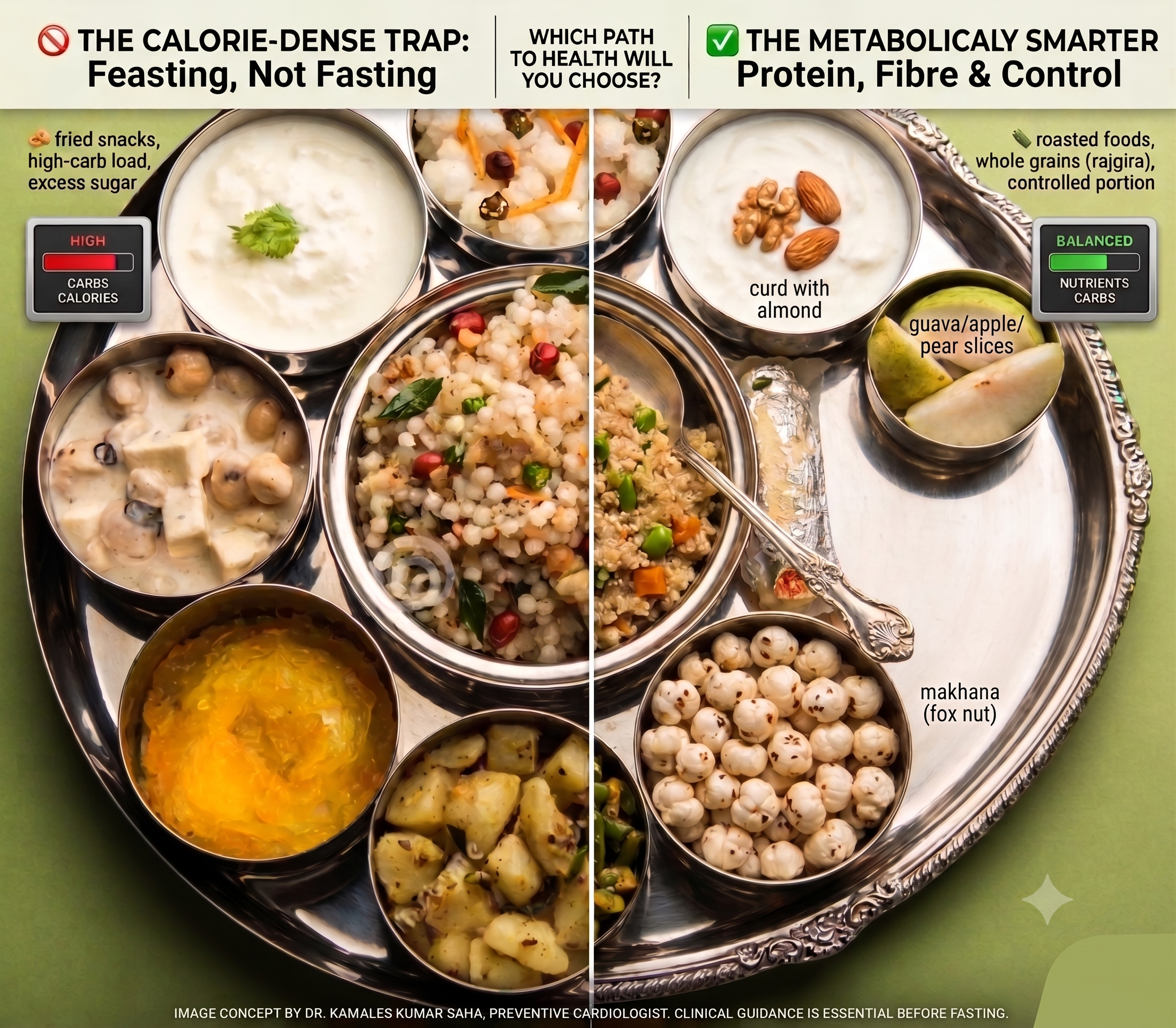
- Modify, Don't Eliminate: Don't stop rice or roti—reduce portions and restructure your plate. Always pair carbs with protein like dal, paneer, eggs, or curd.
- The Plate Method: Restructure your thali—50% veggies, 25% protein, and 25% carbs.
- Fix Meal Timing: Avoid late dinners (ideally before 8 PM) and maintain a 10–12 hour natural overnight fast.
- Movement Over Gyms: Consistency beats intensity. A 10–15 minute walk after each meal is more effective than sporadic intense workouts.
- Personalization: A diet in Tamil Nadu must look different than one in Punjab. Your plan must fit your specific food culture and work schedule.
The Smarter Role of Medication
The goal isn’t to avoid medication at all costs, but to use it wisely as a tool to stabilize blood sugar and prevent complications. The ultimate aim is to build habits that allow for a gradual, medically supervised reduction in dependency.
Clinical Lead: Dr. Kakalee K Saha is the lead Diabetologist at the Diabetes & Obesity Clinic, specializing in diabetes reversal and insulin resistance management for Indian patients.
Book a Consultation with Dr Kakalee K Saha for Diabetes
- Medical Disclaimer: This article is meant to help you understand health better but cannot replace personalized medical advice. Always consult your doctor before making changes to your medication or diet.*
ARTICLE AUTHOR
Dr. Kamales Kumar Saha
Clinician–Leader · Cardiac Surgeon· Preventive Cardiologist · IICA-Certified Independent Director, Author : The Silent Epidemic
Dr. Kamales Kumar Saha is a seasoned Clinician–Leader with boardroom judgment, combining deep expertise in cardiac surgery and preventive cardiology with strategic healthcare leadership. His work bridges clinical excellence and patient education— helping patients make informed, sustainable health decisions.
Copyright Notice
© 2026 Dr Kamales Kumar Saha. All rights reserved.
No part of this blog may be reproduced, stored in a retrieval system, or transmitted in any form or by any means: electronic, mechanical, photocopying, recording, or otherwise without the prior written permission of the author, except for brief quotations used in reviews or scholarly references. This book is intended for personal reading only and may not be redistributed, resold, or reproduced in any format without permission.