The Cortisol Connection: Why Stress is the Hidden Enemy of Blood Sugar
A Science-Backed Stress Survival Guide
Did you know? Chronic stress triggers the liver to release extra glucose, making blood sugar management nearly impossible even with a perfect diet.
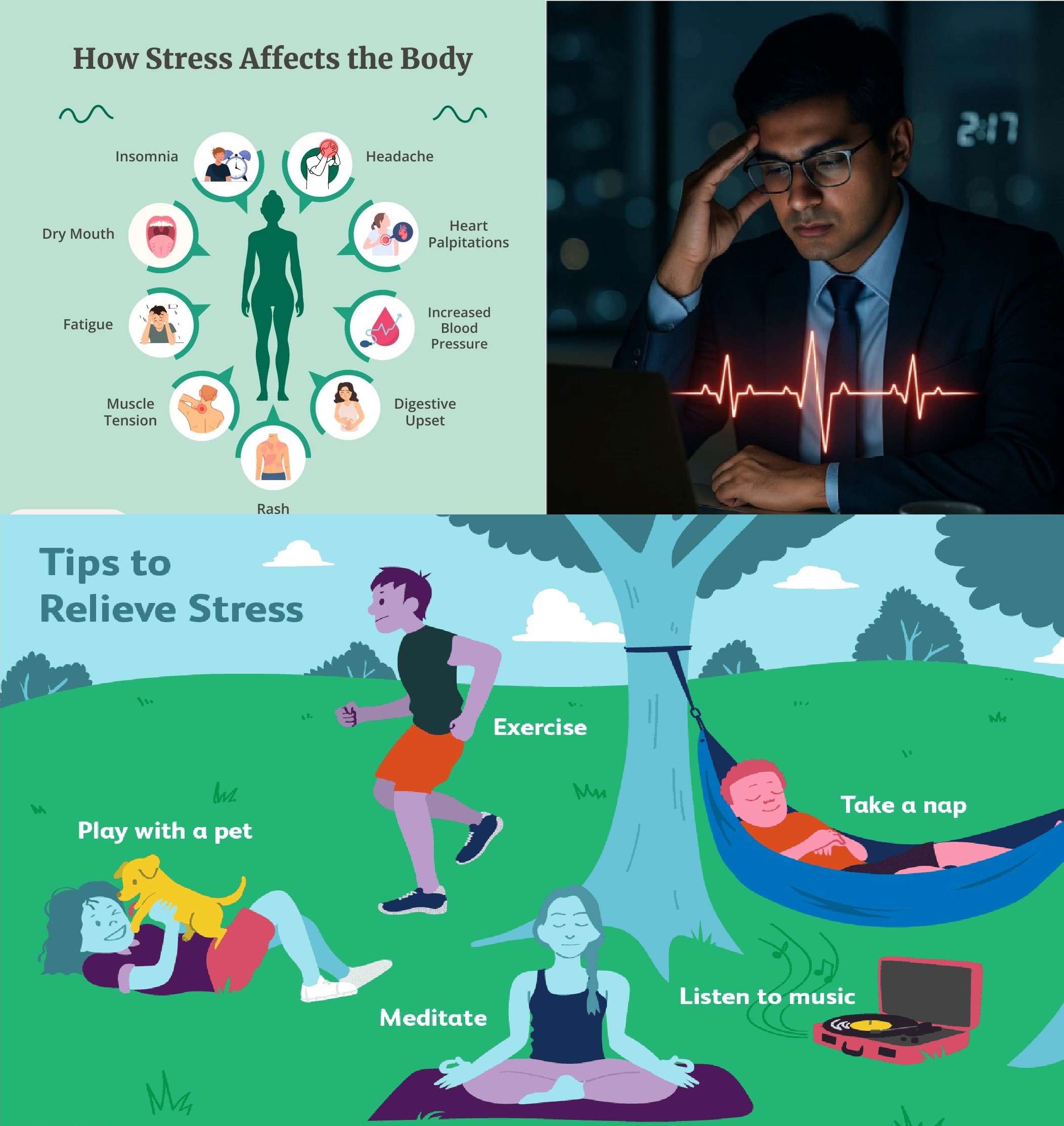
Stress has become so normalized in modern life that many barely notice the load they carry. It manifests as a racing mind at night, irritability, headaches, or constant fatigue. While stress is a natural response to challenge, chronic stress is a physiological state that actively undermines your metabolic and cardiovascular health.
The good news? Managing stress doesn't require a dramatic life overhaul. It starts with small, repeatable habits that help your nervous system feel steadied and supported.
First, Recognize the Symptoms
Stress isn't just "worry." It is a physical event. Common signs include muscle tension, digestive issues, difficulty concentrating, and changes in eating or sleeping habits. Sometimes, we don’t realize we are stressed until our body starts "keeping score" through rising blood sugar or blood pressure.
The 18 Tools for Stress Recovery
I. Immediate Relief (The "Right Now" Fix)
- Take a Walk: Changing your scenery and moving your body lowers stress hormones instantly.
- Physical Touch: Hugging a loved one releases oxytocin, which counters norepinephrine.
- Controlled Breathing: The 3-1-3 technique signals your nervous system to exit "fight or flight" mode.
- Aromatherapy: Scents like lavender can alter brain wave activity and decrease cortisol.
- Guided Imagery: A 2-minute "mental vacation" improves focus and lowers physiological tension.
II. Body-Mind Foundations (Daily Habits)
- Yoga: Combines movement and breath for long-term cardiovascular protection.
- Meditation: Mindfulness prevents the rumination that fuels chronic anxiety.
- Progressive Muscle Relaxation: Tense and release muscles from head to toe to "unlearn" stored tension.
- Exercise: Beyond heart health, regular activity is a premier tool for emotional resilience.
- Creative Outlets: Art and coloring have a meditative effect, reducing symptoms of anxiety.
- Intentional Leisure: Hobbies are not "wasted time"; they are essential for metabolic balance.
III. The Biological Edge (Internal Support)
- Balanced Diet: Avoid the "blood sugar roller coaster" of refined carbs. Stable glucose equals a stable mood.
- Targeted Supplements: Consider Ashwagandha for resilience or B-vitamins for mood regulation (under medical supervision).
- Positive Self-Talk: Replacing harsh self-criticism reduces the biological "alarm" response.
- Gratitude: Identifying daily wins empowers the brain and lowers perceived stress.
IV. Environmental Control (Reducing the Pressure)
- Prune Your To-Do List: You cannot pour from an empty cup. Match your schedule to your actual capacity.
- Obtain Social Support: A strong social network acts as a "cardiac cushion."
- Cut the Clutter: Limit stress-multipliers like 24/7 news cycles, excessive caffeine, or digital over-connectivity.
A Simple 5-Minute Stress Reset
If your day feels overwhelming, try this sequence:
- Minute 1: Unclench your jaw and drop your shoulders.
- Minute 2: Inhale slowly; exhale longer than you inhale.
- Minute 3: Drink water and step away from your screen.
- Minute 4: Write down the top three things on your mind.
- Minute 5: Circle just one next step and do only that.
When to Seek Professional Help
If stress is affecting your daily functioning, relationships, or ability to cope, speaking with a mental health professional is an appropriate—and necessary—step. If you feel in immediate danger, seek urgent local crisis support.
Final Thoughts
Stress management isn't about being calm all the time. It is about learning how to return to yourself more quickly when life gets heavy. You don't need to master all 18 tools today. Pick two—perhaps a 10-minute walk and a breathing exercise—and start building your foundation.
Medical Disclaimer
This content is for educational purposes only and is not a substitute for professional medical advice. Individuals with existing medical conditions or high cardiovascular risk should consult their healthcare provider before starting any new exercise or medical routine.
About the Author
Dr. Kamales Kumar Saha
Clinician–Leader · Cardiac Surgeon · Preventive Cardiologist · IICA-Certified Independent Director
Author of: The Silent Epidemic
Dr. Kamales Kumar Saha is a seasoned Clinician–Leader with boardroom judgment, combining deep expertise in cardiac surgery and preventive cardiology with strategic healthcare leadership. His work bridges clinical excellence and patient education—helping patients make informed, sustainable health decisions.
Copyright Notice
© 2026 Dr. Kamales Kumar Saha. All rights reserved. No part of this blog may be reproduced, stored in a retrieval system, or transmitted in any form or by any means without the prior written permission of the author, except for brief quotations used in reviews.