Diabetes, Gas, Acidity: The 6-Second Relief in Self-Medicating India!
Rewriting India’s Heart Attack Story from Late Response to Lifesaving Action
1 in 2 Indians who suffer a heart attack never make it to the hospital.
Let that sink in.
Half of all heart attack deaths in India happen before medical care is even reached.
“GAS”: The most dangerous word in the Indian medical vocabulary!
Every day, millions of Indians reach for a sachet or a tablet to soothe a burning sensation in their chest. They are driven by decades of clever marketing promising "6-second relief." But the dark side of this convenience: for many, that "burn" isn’t the stomach—it’s the heart. And we a are losing valuable time.By the time the antacid "fails" to work, the Golden Hour is gone. In heart care, the clock doesn’t just tick, it bleeds.
The Crisis Before the Hospital
In India, we are facing a silent emergency. Nearly 50% of heart attack patients die before they ever reach a hospital. This isn't because we lack advanced treatments; it is because time is lost in the medicine cabinet before help even begins.
Comparison table of Heart Attack response times in India vs the West
| Clinical Milestone | Western Standard | India Average | The Clinical Reality |
| Pre-Hospital Mortality | 15–20% | ~50% | 1 in 2 Indians die before reaching the ER. |
| Symptom-to-Door Time | <180 minutes | 400–450 minutes | Indian patients wait nearly 3x longer. |
| "Golden Hour" Reach | >50% | 11–15% | Only 1 in 10 receive "ideal" care. |
| Age of Onset | 65+ years | 50–55 years | Indians suffer attacks a decade earlier. |
| Ambulance Usage | 60–80% | <5% | Most arrive via private car without oxygen. |
The "Antacid Trap": Why "Gas" is a Deadly Misdiagnosis
One of the biggest reasons for the 400-minute delay is a simple, deadly misunderstanding.
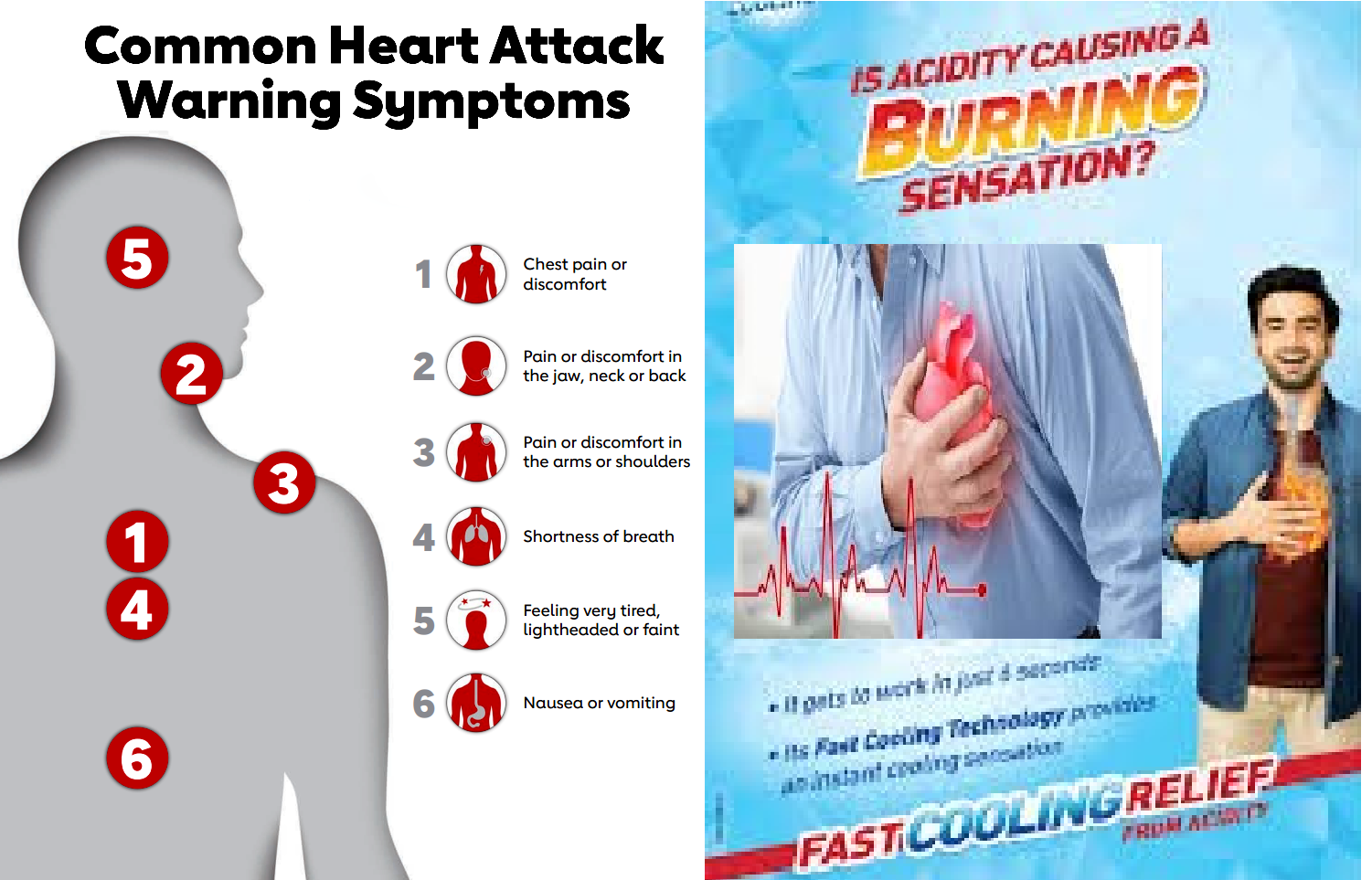
For those living with diabetes or obesity, heart attacks rarely look like the movies. There is often no dramatic clutching of the chest. Instead, the body "whispers" through symptoms that mimic simple indigestion:
- Burning in the upper abdomen (The classic "Acidity" feel).
- Heavy "gas" or bloating.
- Persistent indigestion that doesn't go away with a sachet.
- Unexplained sweating, clamminess, or "uneasiness."
Because these symptoms feel familiar, people wait. They wait for the gas to pass. They wait for the morning. And in that waiting, the heart muscle dies.
The Golden Rule: If you have diabetes or high blood pressure and feel "unusual acidity" combined with sweating or breathlessness, it is the heart until an ECG proves otherwise. ---
What You Must Do in That Moment: Your Emergency Action Plan
In an emergency, you don’t rise to the occasion.
You fall to your level of preparation.
1. Stop immediately
Do not walk. Do not “push through.”
2. Sit or lie down
Reduce strain on the heart.
3. Call for help
Never attempt to drive yourself.
4. Choose the right destination
- First preference: Hospital with 24/7 Cath Lab (angioplasty facility)
- Second: Hospital with ICU
- Third: Nearest available medical facility
Every minute matters.
Because in cardiology, time is heart muscle.
If You Have Diabetes or High Blood Pressure, Read This Twice
If you or someone in your family has:
- diabetes
- high blood pressure
- a history of smoking
- high cholesterol
- obesity
- chronic stress
- a family history of heart disease
…then “unusual acidity” is not something to dismiss casually.
If that discomfort comes with sweating, breathlessness, weakness, chest pressure, jaw pain, arm pain, back pain, or a sense of doom, treat it as a heart emergency until proven otherwise. American Heart Association Source
Take the Next Step
Don't wait for your heart to announce itself through a crisis. Knowledge is the first step to survival
My upcoming e book:“The Silent Epidemic” is written to change that pattern.
The warning you ignored may already have become the event you cannot reverse.
Medical Disclaimer
This content is for educational purposes only and is not a substitute for professional medical advice. Individuals with existing medical conditions or high cardiovascular risk should consult their healthcare provider before starting any new exercise routine.
ARTICLE AUTHOR
Dr Kamales Kumar Saha
Clinician–Leader · Cardiac Surgeon· Preventive Cardiologist · IICA-Certified Independent Director, Author : The Silent Epidemic
Dr Kamales Kumar Saha is a seasoned Clinician–Leader with boardroom judgment, combining deep expertise in cardiac surgery and preventive cardiology with strategic healthcare leadership. His work bridges clinical excellence and patient education— helping patients make informed, sustainable health decisions.
Copyright Notice
© 2026 Dr Kamales Kumar Saha. All rights reserved.
No part of this blog may be reproduced, stored in a retrieval system, or transmitted in any form or by any means: electronic, mechanical, photocopying, recording, or otherwise without the prior written permission of the author, except for brief quotations used in reviews or scholarly references. This book is intended for personal reading only and may not be redistributed, resold, or reproduced in any format without permission.