Poor Surveillance: Why We Are Losing the War on Heart Disease in Diabetes
The right tests, at the right time, can stop this silent epidemic.
In 2026, warfare is no longer just about weapons—it is about surveillance and intelligence gathering. Nations that win wars today are not those with the biggest armies, but those that detect threats early, track them silently, and neutralize them before damage occurs.
Yet, when it comes to heart disease—especially in people with Type 2 Diabetes—we are doing the exact opposite.
A Tale of Two Patients
Consider these two scenarios I see daily in my clinical practice:
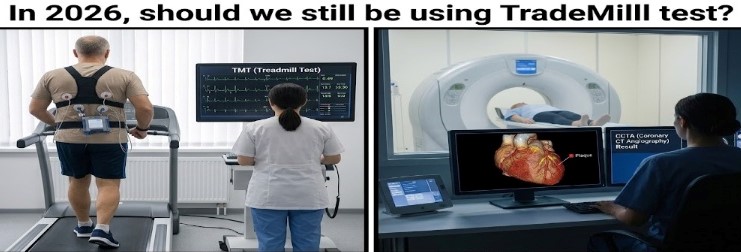
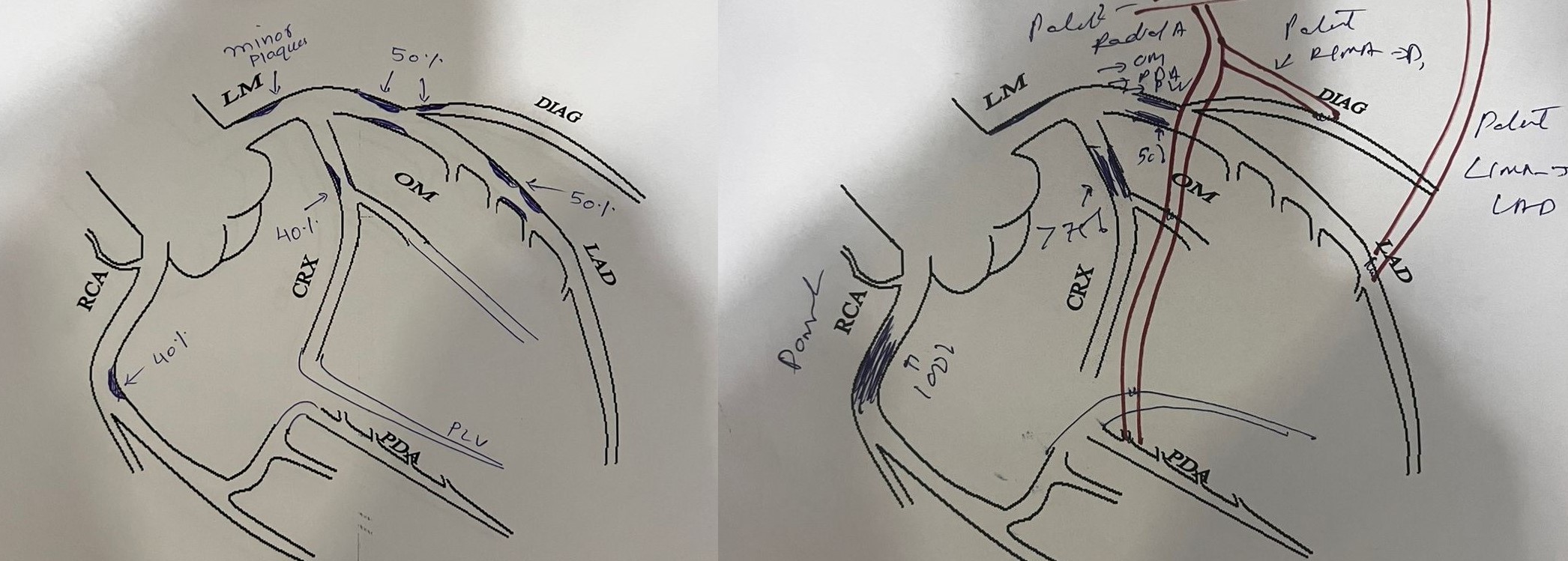
- Patient A: A CT angiography detects early-stage plaque in a patient with "normal" routine reports. We intervene. The disease is managed without surgery.
- Patient B: A CT angiography reveals advanced, life-threatening blockages in a patient who requires an urgent bypass—despite their standard health checkup reports appearing normal just weeks prior.
Same disease. Different timing. Very different outcomes.
The question is simple: Where would you rather be?
⚠️ The Critical Mistake: Fighting Late, Not Detecting Early
For heart disease, "surveillance" means detecting plaque inside the arteries before it causes symptoms. But here is the uncomfortable truth:
- 👉 We are not losing at treatment.
- 👉 We are losing at detection.
On one side, I see patients with "normal" health checkups, standard cholesterol reports, and zero symptoms—yet advanced imaging reveals plaque silently building inside their arteries. On the other side, I see patients presenting with severe blockages and chest pain, requiring immediate bypass surgery.
Same disease. Different stage. Completely different life trajectory.
🧠 Diabetes: The Perfect Storm for Silent Damage
In Type 2 Diabetes, heart disease behaves differently—and much more dangerously.
- Accelerated Damage: Arteries are damaged earlier and faster.
- Diffuse Plaque: The buildup is often widespread and silent.
- Late Symptoms: Pain signals are often blunted by neuropathy.
This is why many diabetics do not experience warning chest pain and present directly with major cardiac events. By the time we act, the battle is already halfway lost.
🏥 Experience from the Operating Table
For years, I have stood in the operating room performing complex bypass surgeries and life-saving interventions. But every time I step out, one thought stays with me:
Most of these surgeries should never have been needed.
Not because our treatment failed—but because the detection never happened.
🇮🇳 India’s Silent Epidemic
We are facing an explosion of Coronary Artery Disease, Type 2 Diabetes, and Obesity. It is hitting our younger populations and working professionals—even those who believe they are "healthy." This is no longer just a medical issue; it is a national productivity and economic crisis.
❌ Where Are We Going Wrong?
- Over-Reliance on "Normal" Reports: Routine tests often miss early plaque and vascular inflammation.
- Waiting for Symptoms: Heart disease is not an infection; by the time it "hurts," it is already advanced.
- Treating Numbers, Not Disease: We focus on sugar and cholesterol values but ignore the actual plaque burden.
- Late Intervention Mindset: We act when surgery becomes necessary, instead of when the disease is still reversible.
🔍 What Should "Surveillance" Look Like?
To win this battle, we must shift our focus to Precision Surveillance:
- ✅ Early Plaque Imaging: Detecting disease before the first symptom appears.
- ✅ Identify Risk Early: Screening based on family history and metabolic markers, not just a single cholesterol number.
- ✅ Track the Trajectory: Monitoring if the plaque is increasing or stabilizing, rather than just checking sugar levels.
🔄 From Reaction to Prevention
We cannot stent our way out. We cannot operate our way out. We must prevent our way out.
That requires awareness, early detection, lifestyle correction, and timely medical intervention. This is why I am writing "The Silent Epidemic." I want to move the conversation from the operating table to the dinner table. My mission is to provide a roadmap for every Indian with evidence-based strategies tailored for our unique context.
🚀 My Final Thought
The real battle against heart disease isn't fought in the ICU. It’s fought in your daily habits and your early detection decisions. If we continue to detect late, we will continue to lose.
It’s time to stop the silent epidemic.
🫀 "The Silent Epidemic" is coming soon. If you are a healthcare professional, a policymaker, or someone ready to take control of your health—follow for updates.
#TheSilentEpidemic #HeartHealth #Diabetes #PreventiveMedicine #CardiacSurgery #HealthTech #IndiaHealth
Medical Disclaimer
This content is for educational purposes only and is not a substitute for professional medical advice. Individuals with existing medical conditions or high cardiovascular risk should consult their healthcare provider before starting any new exercise or medical routine.
About the Author
Dr. Kamales Kumar Saha
Clinician–Leader · Cardiac Surgeon · Preventive Cardiologist · IICA-Certified Independent Director
Author of: The Silent Epidemic
Dr. Kamales Kumar Saha is a seasoned Clinician–Leader with boardroom judgment, combining deep expertise in cardiac surgery and preventive cardiology with strategic healthcare leadership. His work bridges clinical excellence and patient education—helping patients make informed, sustainable health decisions.
Copyright Notice
© 2026 Dr. Kamales Kumar Saha. All rights reserved. No part of this blog may be reproduced, stored in a retrieval system, or transmitted in any form or by any means without the prior written permission of the author, except for brief quotations used in reviews.